
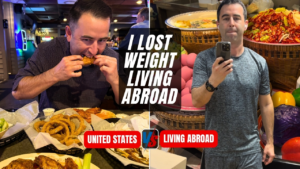
I noticed it the moment I landed back in the United States last November. It wasn’t just the cold air or the familiar signage — it was the people. Americans look bigger. They walk slower. They carry a heaviness that goes beyond just their physique. They looked mentally overweight. Tired, drained, and foggy.
According to the CDC, more than 40% of American adults are currently classified as obese, and nearly three-quarters are overweight. And you notice those numbers the second you arrive at baggage claim.
I’m not here to shame anyone. Although I’ve never been obese, I know what it’s like to gain 20 pounds in a few months. And here’s what I had to admit to myself: yeah, the Western system is engineered to make you overweight, sedentary, and comfortable. The food is designed to be addictive. The infrastructure keeps you in a car. The culture rewards consumption. That’s real. But so is the fact that I kept choosing it. Every drive-through. Every skipped walk. Every “I’ll start Monday.” The system makes it easy to fail. But, what if one of the most powerful decisions you could make for your health was as simple as booking a flight?
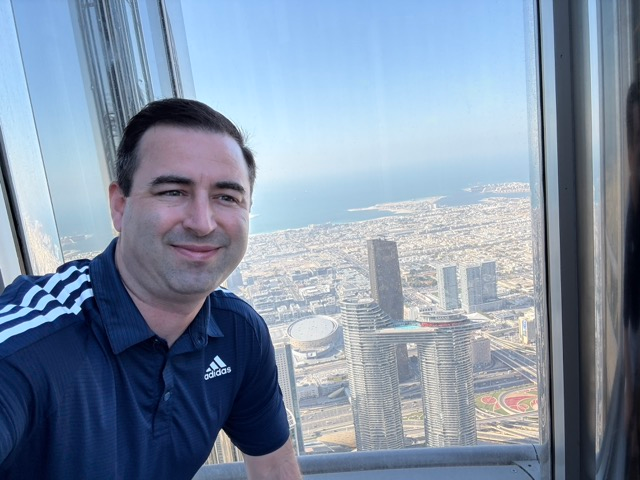
The Food Here Is Just… Different

Abroad, my default meal isn’t something engineered in a lab to be impossible to stop eating. It’s a big plate — grilled chicken or fish, roasted vegetables, a simple soup, maybe some rice. Food markets are everywhere. You walk past them. You grab something fresh because it’s right there and it’s cheap. High-fructose corn syrup, which is linked to increased obesity and metabolic dysfunction, is largely absent from local food supply chains in most of Latin America and Southeast Asia. You feel it within a week.
Is it perfect? No. I’ve found carbs to be the biggest factor in whether I’m staying lean or gaining weight. And lots of cultures are heavy on rice and potatoes. But here’s what I’ve started doing when I want to lean up a bit: I just skip the rice. That’s it. No meal prep, no calorie counting, no suffering. The baseline is already so much cleaner that small tweaks actually move the needle.
You Walk. A Lot. Without Realizing It.
Back in Charleston, I lived less than a mile from the grocery store but I drove there every single time. Never once thought twice about it. Abroad, I don’t own a car. Most expats don’t. Instead, I haul groceries a mile home — both shoulders loaded, water bottles included. By the time I get back, I’ve done more functional movement and strength training than most Americans do in a week.
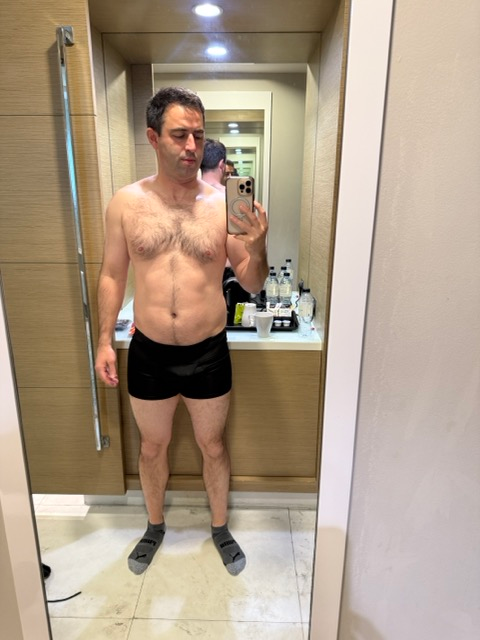
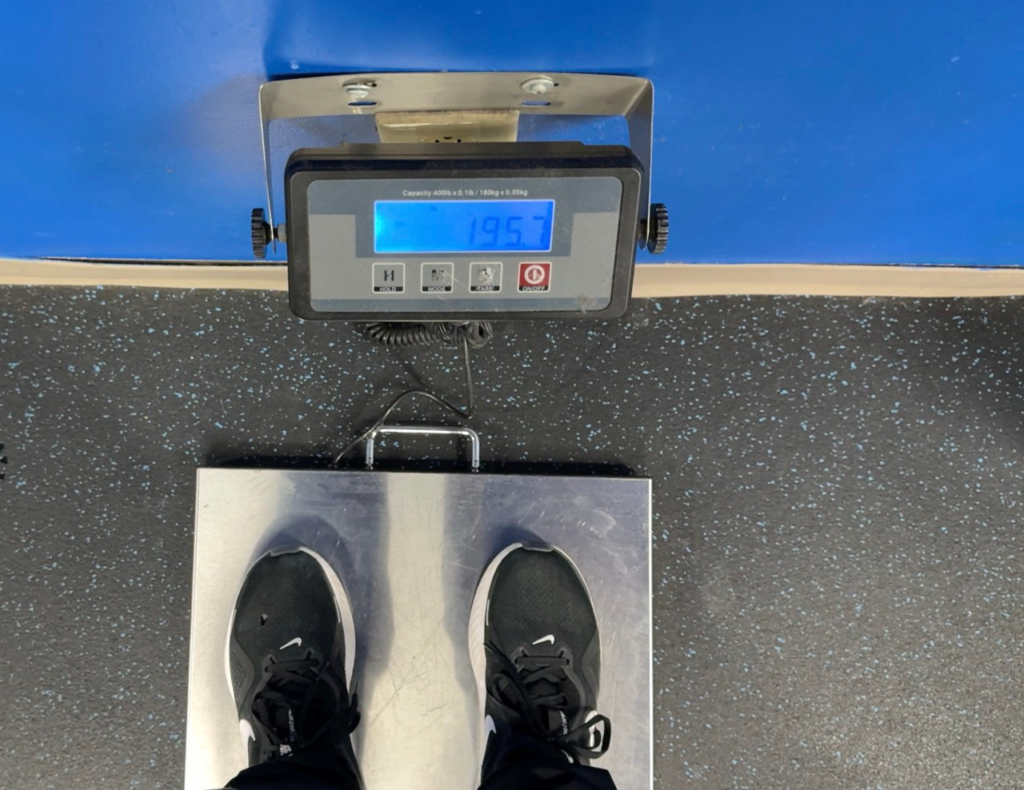
At 195 Pounds. It’s not just errands. It’s the way cities are built here. Most locals don’t own cars in Southeast Asia, Latin America, or Africa. They take buses, trains, or by foot. Walking is part of the lifestyle. Streets are walkable. You don’t even think of it as exercise — it’s just Tuesday and you need to walk 15 minutes to the train station. And that’s the point. The movement is baked into the lifestyle, not scheduled into a calendar you’ll eventually stop following or a gym membership that you’ll stop using.
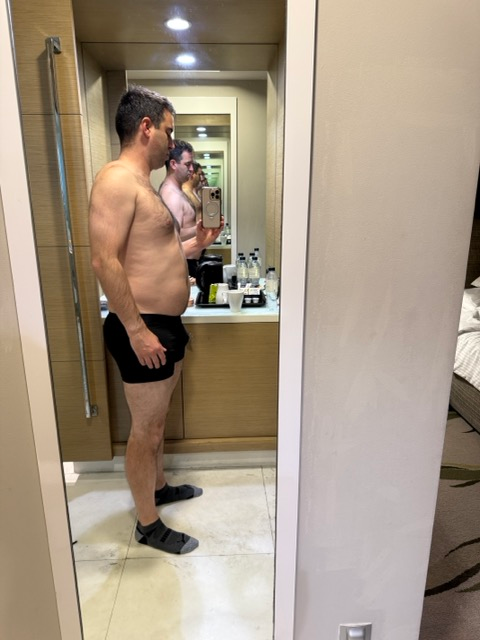
At 195 Pounds. 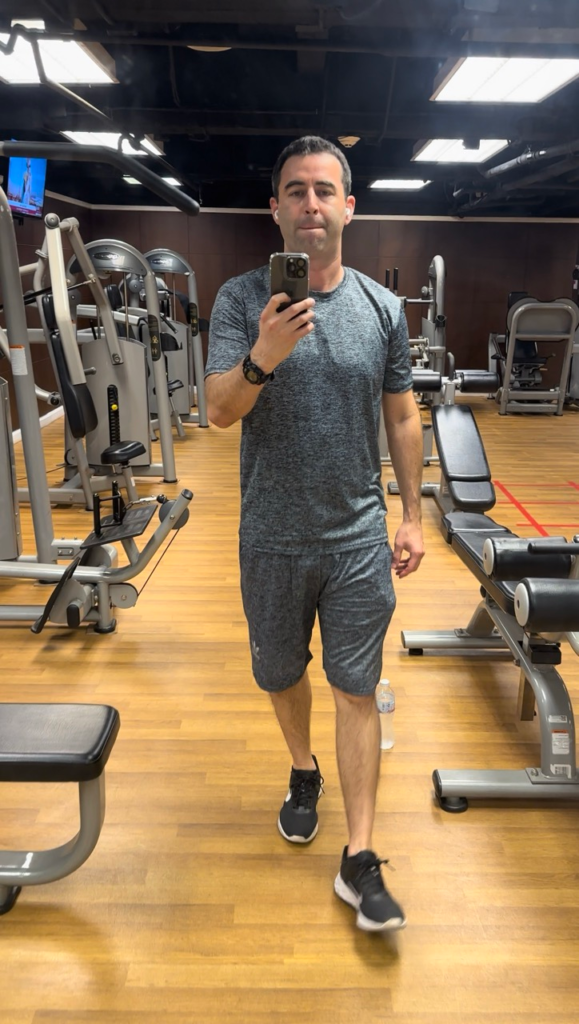
Also see: How Dating Abroad Changed The Trajectory of My Life
The Social Scene Actually Gets You Moving
One thing nobody warned me about: the expat community pulls you out of the house. Pickleball courts. Tennis. Coffee gatherings at the shopping mall. Saturday morning hikes with a group of guys who actually show up. Back home, social life often means sitting — at a bar, at a restaurant, on a couch watching a game. Abroad, especially in expat circles, the default activity tends to involve moving your body in some way.

There’s something deeper here too. Men who are socially connected, who have a community that cares about them, tend to take better care of themselves. It’s not just anecdotal — research consistently links social isolation to worse physical health outcomes, including weight gain and cardiovascular decline. The lifestyle change abroad isn’t just environmental. It’s relational.
Also see: Healthcare Abroad: What Expats Over 50 Need to Know
It’s Not Just Physical — Geography Changes Your Habits
There’s something psychologists have noted about geographical transitions: a change of environment is one of the most reliable windows to break old habits and build new ones. The cues that trigger your old behaviors — the couch, the route to the drive-through, the routine — simply aren’t there anymore. You get a clean slate, whether you asked for one or not.
I’ll be honest though — I’m not perfect at this. For Thanksgiving or Christmas I often fly back to the States and, without fail, I fall right back into the same cycle. Pizza during football. My grandma’s cakes. Friend’s houses stocked with everything I spent six months avoiding.
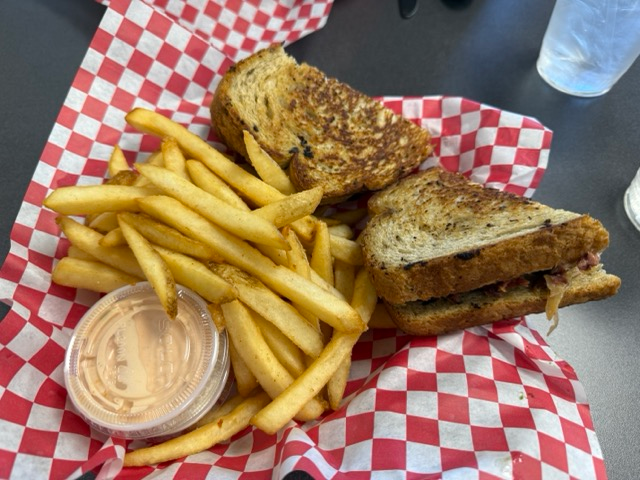
And every single time, I come back abroad bloated, foggy, and with my confidence noticeably lower — probably my testosterone too, if I’m being straight about it. The geography doesn’t fix you permanently. Wherever you go, you bring yourself with you. There are expats who’ve gained weight abroad. I’ve met them. But for most men making this move, the default environment finally starts working for them instead of against them.
Also see: Why Move Abroad?
What This Means For You
Let’s be straight: Yes, the American food system is engineered against you, the infrastructure keeps you sedentary, and the social culture defaults to consumption. That’s real.
The men who build thriving, adventurous lives abroad aren’t the ones who finally found “the perfect system” that did all the work for them. They’re the ones who recognized a broken environment and then put themselves in a favorable geographical location, that made it naturally come easier to them.
If you’ve been fighting the same battles for years and losing, it’s worth asking whether the battlefield itself is the problem. Not as an excuse — as a strategy. Because a man who’s serious about his health, his body, and his life doesn’t wait for the environment to fix itself. He changes the environment.
If you want to know what that actually costs, I built a free budget calculator that shows you what living well abroad realistically looks like — because most men are surprised to find the obstacle they thought was financial, isn’t.
→ Download the Free Budget Calculator