

Let me be upfront: I’m 37. Healthcare isn’t my daily obsession yet. But the guys I meet on the road — retired Americans, Canadians, Europeans who’ve made the leap (or considering it) into expat life— ask me about this more than almost anything else. And I’ve watched enough of them navigate it, talked to enough doctors abroad, and had my own eye-opening experiences, to tell you this:
Healthcare abroad is not what you think it is. It’s not bad. It’s actually quite good and affordable. So don’t let it be what stops you.
The fear about healthcare abroad is real. But it’s mostly built on assumptions formed inside a broken US system. Once you actually experience private healthcare in Southeast Asia or Latin America, most guys outlook flips completely.
The Cost Reality Will Shock You (In a Good Way)
Here’s a personal example. For about a year, I had a digestive concern and wanted a colonoscopy. Here’s how that went in the US for me:
First, you can’t just book one. They tell you to go to your primary care doctor first, explain the issue, pay $150 for him to tell you what you already knew — that you need a colonoscopy. He refers you to a specialist. The specialist consultation is three months out. You go. He confirms yes, you need a colonoscopy. He books it a month after that. I’m not exaggerating. Four months minimum, two appointments, before anything actually happens. My problem was I didn’t have four months to wait around.
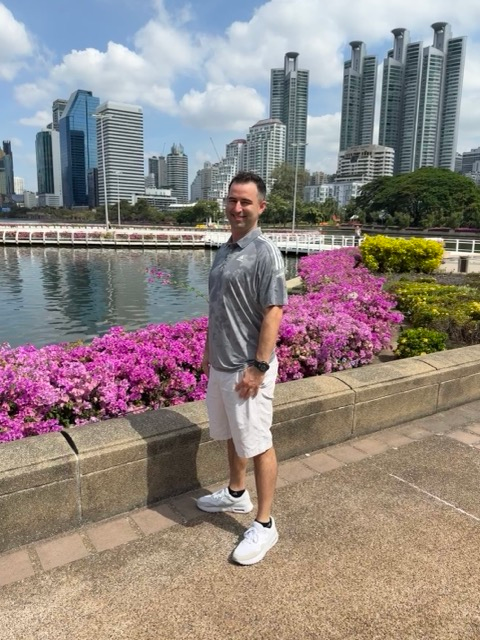
In Thailand, I booked a colonoscopy directly with the hospital — three days in advance. They wanted to do a quick consultation first, which I expected. At the consultation that morning, the doctor looked at me and asked: “Have you eaten yet today?” I hadn’t. He said, “Well, we could just do it today if you want.” Same day. Done. Total out-of-pocket cost: under $1,000 — including the procedure, anesthesia, and follow-up. No insurance involved, although I did file with my international insurance provider to take this procedure out of my deductible.
Other real numbers from my life on the road:
- Walk-in dentist cleaning in Da Nang, Vietnam: $25
- Walk-in dentist cleaning in Pattaya, Thailand: $33
- Walk-in visit at an international hospital in Da Nang for a skin rash, American English-speaking doctor, lab work included: $100 total
In the US, that rash visit with labs would have probably been $400+ with insurance, and probably a two-week wait.
Also see: Expat Health Insurance 101: What Travelers Need To Know
Typical Medical Costs by Country (Out of Pocket, Private)
| Country | GP Visit | Dentist Cleaning | Specialist Visit | Hospital Night (Private) |
|---|---|---|---|---|
| Thailand | $30–$80 | $25–$50 | $45–$120 | $80–$250 |
| Vietnam | $20–$50 | $20–$40 | $30–$80 | $50–$150 |
| Philippines | $20–$50 | $15–$40 | $30–$80 | $45–$335 |
| Colombia | $30–$60 | $20–$50 | $50–$100 | $80–$200 |
| Costa Rica | $40–$80 | $30–$60 | $60–$120 | $100–$300 |
| United States (est.) | $150–$300 | $100–$300 | $250–$500+ | $2,000–$5,000+ |
Sources: expat forums, personal experience, published cost estimates 2025–2026. Costs vary by city, facility tier, and treatment complexity.
The Insurance Question (This Is Where Most Men Get Paralyzed)
You have four realistic options as an American living abroad:
- Keep US insurance active — expensive and largely useless outside the US for most plans
- International health insurance — designed for long-term expats, covers you globally
- Local insurance in your host country — very cheap, but limited to that country
- Pay everything out of pocket — works fine for routine care given the costs above, risky for emergencies
I personally pay $78/month with Cigna Global for international coverage that works anywhere except the United States. Adding US coverage jumps the price to $300+ a month. My previous plan (Geoblue Expat) was $350/month including the US. For most expats who don’t plan to return to the US for care, the non-US plan is the obvious move.
This is an obvious predicament for me. I’m covered in every country except for the United States. But when I return to the U.S. for family visits, I’m not covered and taking a risk.
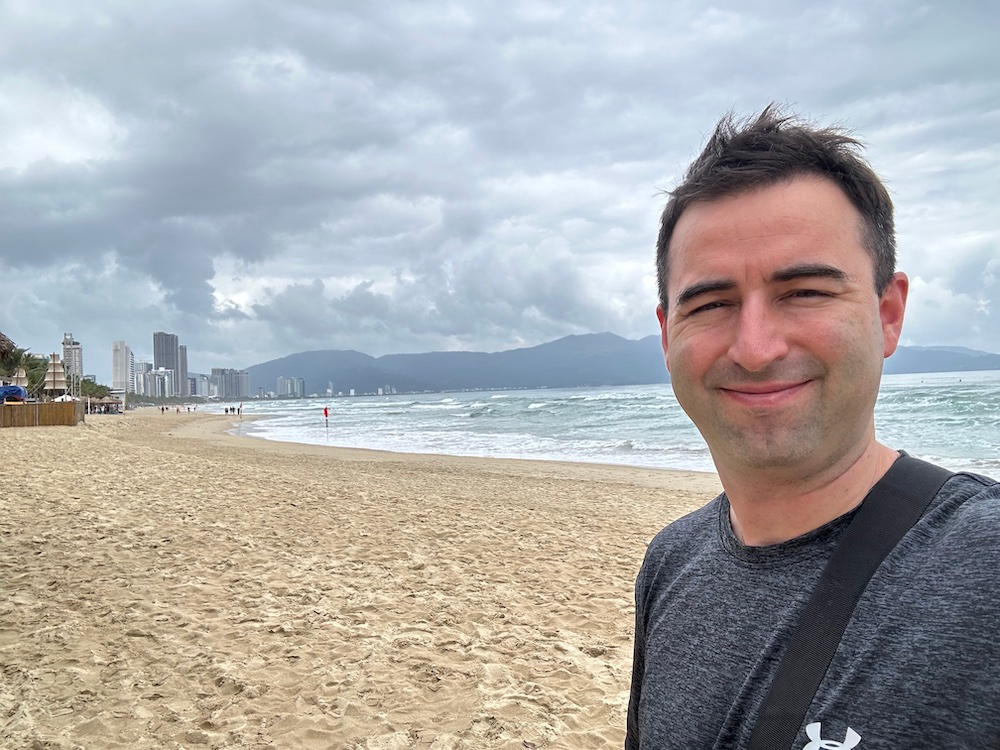
For Canadians, Danes, Norwegians, and others with free home-country healthcare: the math gets interesting. A Canadian expat I spent time with in the Philippines told me he had to decide whether to keep his Canadian coverage active. The catch for Canadians? If you’re out of the country more than 180 days, many provinces cancel your coverage automatically. And honestly, he said, the free system back home had four-month waits for routine procedures. He chose to just pay out of pocket abroad. For his situation it was a no-brainer.
There’s no single right answer here. But the worst answer is doing nothing and assuming your US insurance has you covered. It almost certainly doesn’t — at least not in any practical way.
Pre-Existing Conditions: Not the Deal-Breaker You Think
This is the fear I hear most from men 50+. Blood pressure medication. A surgery in the past. Diabetes management. They assume healthcare abroad means going without.
The reality I’ve seen from other expats: most manage ongoing conditions just fine, often better and cheaper than back home. Medications that cost hundreds per month in the US are available for a fraction of the price at local pharmacies — and in many countries, you can purchase them directly without needing a local prescription for things you already know you take.
A word of caution on the pharmacy thing: I’m not suggesting you self-diagnose or skip doctors. But for men who already have a known, managed condition and know exactly what they take, the access and cost difference is significant. Be responsible about it.
For insurance coverage of pre-existing conditions: it depends heavily on the insurer. Some exclude them permanently. Better plans (like Allianz Care) offer a moratorium approach — after a 2-year claims-free window, pre-existing conditions can be covered. Worth reading the fine print carefully before you choose a plan.
Also see: How Living Abroad Helped Me Lose Weight Without Trying
Finding English-Speaking Doctors
This is more solvable than most people expect and usually a non-issue. In every major expat hub — Bangkok, Chiang Mai, Da Nang, Medellín, San José, Manila, Cebu — private international hospitals are staffed with English-speaking doctors, many of whom trained in the US, UK, or Australia.
Thailand leads the pack here. Bangkok’s Bumrungrad International Hospital is internationally accredited and treats hundreds of thousands of international patients per year. It’s not a backup option — it’s legitimately world-class. Thailand has over 60 hospitals accredited by the Joint Commission International (JCI), the same body that accredits US hospitals.

In Colombia, private facilities in Medellín and Bogotá are known for having multilingual staff and significantly shorter wait times than the public system. Costa Rica’s private clinics in the Central Valley, particularly in San José, are well-regarded and frequently used by medical tourists specifically because of their quality. In the Philippines, English is already widely spoken amongst the population.
Outside major cities, English becomes less reliable. If you’re living rurally, this is worth factoring into your location decision — or worth having a local contact who can translate in a pinch.
The Emergency and Evacuation Scenario
This is the fear underneath the fear. What if something serious happens?
Let’s be honest about the numbers: a medical evacuation flight — if you ever needed one — can run $30,000 to $60,000 out of pocket. That’s the real risk of going fully uninsured. It’s not a doctor visit. It’s getting airlifted to Singapore or Bangkok from a smaller city.
This is exactly why international health insurance matters even if you plan to pay most routine costs out of pocket. The routine stuff is cheap enough to absorb. The catastrophic stuff is what wipes people out. A solid international plan costs $80–150/month for most men in this demographic. That’s the thing worth paying for.
In practice, for serious emergencies in the countries above: Thailand and Costa Rica both have facilities capable of handling most situations. Philippines and Vietnam have strong private hospitals in major cities. Colombia — particularly Medellín — has facilities that routinely attract medical tourists specifically because of quality. The worst-case scenario of “nowhere to go” is largely a myth in any of these expat-popular destinations.
Your Insurance Options at a Glance
| Option | Approx. Monthly Cost | Coverage | Best For | Weakness |
|---|---|---|---|---|
| International (no US) | $78–$150 | Worldwide except USA | Full-time expats not returning to US for care | No US coverage |
| International (incl. US) | $300–$400 | Worldwide including USA | Those who split time with the US | High cost |
| Local Country Insurance | $50–$100 | Host country only | Long-term residents in one country | No coverage if you travel |
| Pay Out of Pocket | $0 + actual costs | Whatever you pay for | Routine care, healthy individuals | Catastrophic risk, no evacuation |
| US Insurance (kept active) | $400–$800+ | Primarily US only | Short trips or US-based care preference | Expensive, limited abroad utility |
Not financial or insurance advice — consult a licensed broker for your specific situation.
The Bottom Line
Healthcare abroad is not the barrier keeping you from this life. It’s a manageable, often dramatically cheaper, frequently faster version of what you’re already dealing with at home. The men I’ve seen struggle with it are almost always the ones who didn’t think about it at all before leaving — not the ones who gave it reasonable consideration.
The practical playbook is simple: get international insurance that at minimum covers emergencies and evacuation, pay routine costs out of pocket, and do five minutes of research to find the nearest international-standard private hospital in whatever city you land in. That’s it.
If you want to see exactly how much further your money goes abroad — including healthcare — run your numbers through the Expat Cost Savings Calculator. Most guys are surprised how much runway they actually have.